
How to Grow a Bond That Gets Better with Time? Let’s come to an understanding of how we can strengthen and expand our relationship. Like us, friendship is a dynamic relationship that must develop daily. Building a fulfilling journey rather than a destination is what a relationship that develops and grows over time is all about. The introductory note will guide you through the foundational principles of “How to Grow a Bond That Gets Better with Time.” Through this article, you can know the benefits of friendship and tips for building long-lasting friendships.
The secret to friendship is to change the emphasis from initial attraction to ongoing dedication and deliberate work. Consistent care is necessary for a long-lasting relationship. We will discuss the importance of mutual respect, acknowledging each other’s worth and independence; good communication, which entails more than just talking; and the development of shared experiences and quality time, which allows us to build a rich history together.
Crucially, every relationship becomes difficult. How you handle disagreements amicably and with mutual understanding, allowing the relationship to grow stronger, is the true test of its strength. Prioritizing emotional closeness and embracing personal development (both individually and as a couple) will help to guarantee that your relationship not only endures but also actively strengthens over time, turning into a source of constant joy and strength.
Let’s know the best idea of how to grow a bond that gets better with time. With some practical points.
Intentional Experiential Intimacy

It’s often observed, and in my experience, that the early stages of a friendship are often clouded by a bit of doubt, often accompanied by the fear of being betrayed. Over time, various methods are employed to cultivate trust, thereby fostering a strong and active friendship.
But this article emphasizes building a rich, powerful friendship and creating a shared history through fresh thinking and stimulating activities, rather than simply spending time passively. This will ensure a lifelong connection and maintain a sense of well-being. Friendship involves many ups and downs. Sometimes there’s the fear of separation, sometimes the fear of separation. It goes beyond the routine of dinner and a movie, which is limited in meaning. Its goal is to reinvent the relationship, fostering trust and confidence constantly. Whether you’ve sacrificed time and money for each other is a pillar of friendship.
Psychological research links friendship to greater relationship satisfaction. This includes everything from intentionally planning dates to the friendships you share and the contributions of teamwork, sensitivity, trust, and adaptability that foster mutual understanding—such as learning a new skill together, learning each other’s language, learning the meaning of the language, and going on adventures, or collaborating on a challenging project. These shared small challenges and triumphs activate bonding hormones and create powerful, deep memories that serve as a strong foundation for the relationship, strengthening it in later years. As a unit, constantly striving to step outside the comfort zone prevents stagnation and keeps the relationship dynamic.
High-Quality, Sensitive Communication
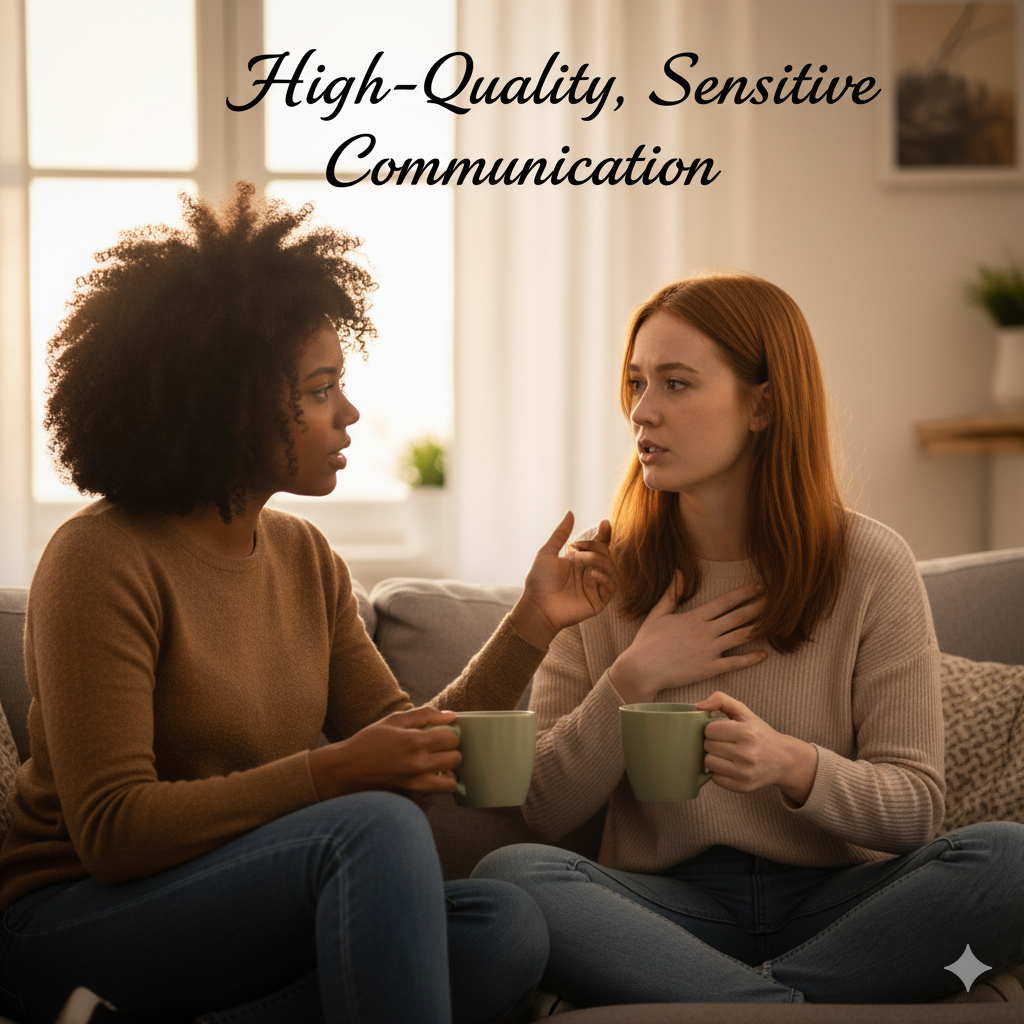
True friendships are built on honesty and trust; lies and selfishness quickly disintegrate. Friendships are sustained by humility and love. This area of friendship focuses on the depth and authenticity of communication, prioritizing genuine connection rather than merely exchanging information. It involves mastery of active listening, listening intently to each other, and waiting for a response.
Where the partner is truly heard and validated, without any immediate judgment or need to “fix” their problem. You don’t want to hear the words “I’ll tell you tomorrow.”
High-quality communication involves the emotional safety that fosters friendship, including the constant and mutual sharing of inner worlds—thoughts, fears, hopes, and vulnerabilities. In this area, partners learn to embrace the word “we,” use “I” statements to communicate feelings without placing blame, and see challenging conversations as chances for greater understanding rather than win-lose situations. As they develop over time, the relationship guarantees that communication is essential and that the truth is accepted without bias.
Personal and Mutual Growth
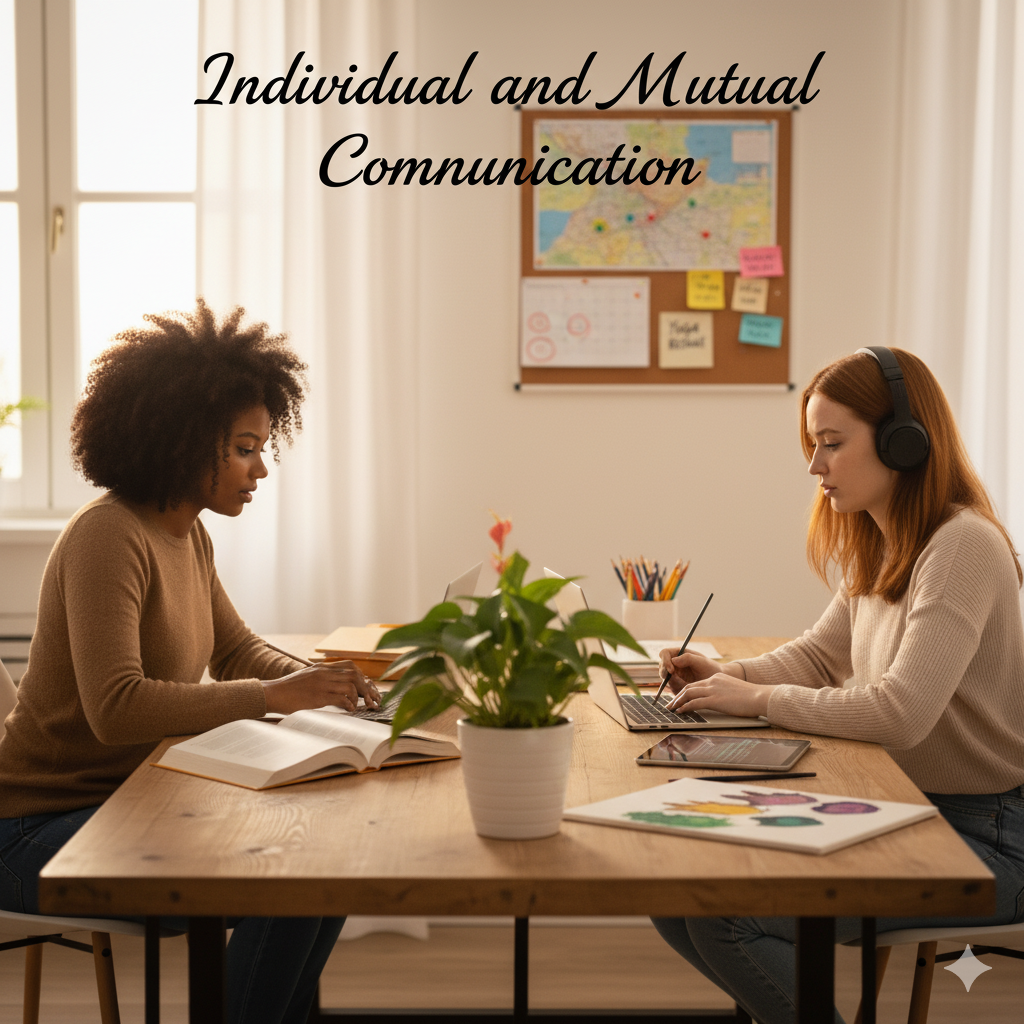
I’ve defined friendship before, and I believe I should reiterate that a relationship is a partnership between two evolving individuals. The journey, or road, of friendship is never-ending, and its long-term health depends on both individual and joint growth. This includes supporting each partner’s personal aspirations, interests, and need for autonomy.
This bond is strengthened when each person encourages the other’s personal growth without threat, whether through career, hobbies, or mental health. Importantly, this also includes mutual growth, where couples identify areas for joint development, perhaps by attending relationship workshops, reading books together on shared interests, discussing specific topics, or setting new, shared long-term goals. This ensures that partners continue to admire and respect each other. Respect and admiration strengthen the relationship and help each other grow.
How to Grow a Bond That Gets Better With Time
- Intentional Experiential Intimacy.
- High-Quality, Sensitive Communication.
- Personal and Mutual Growth.