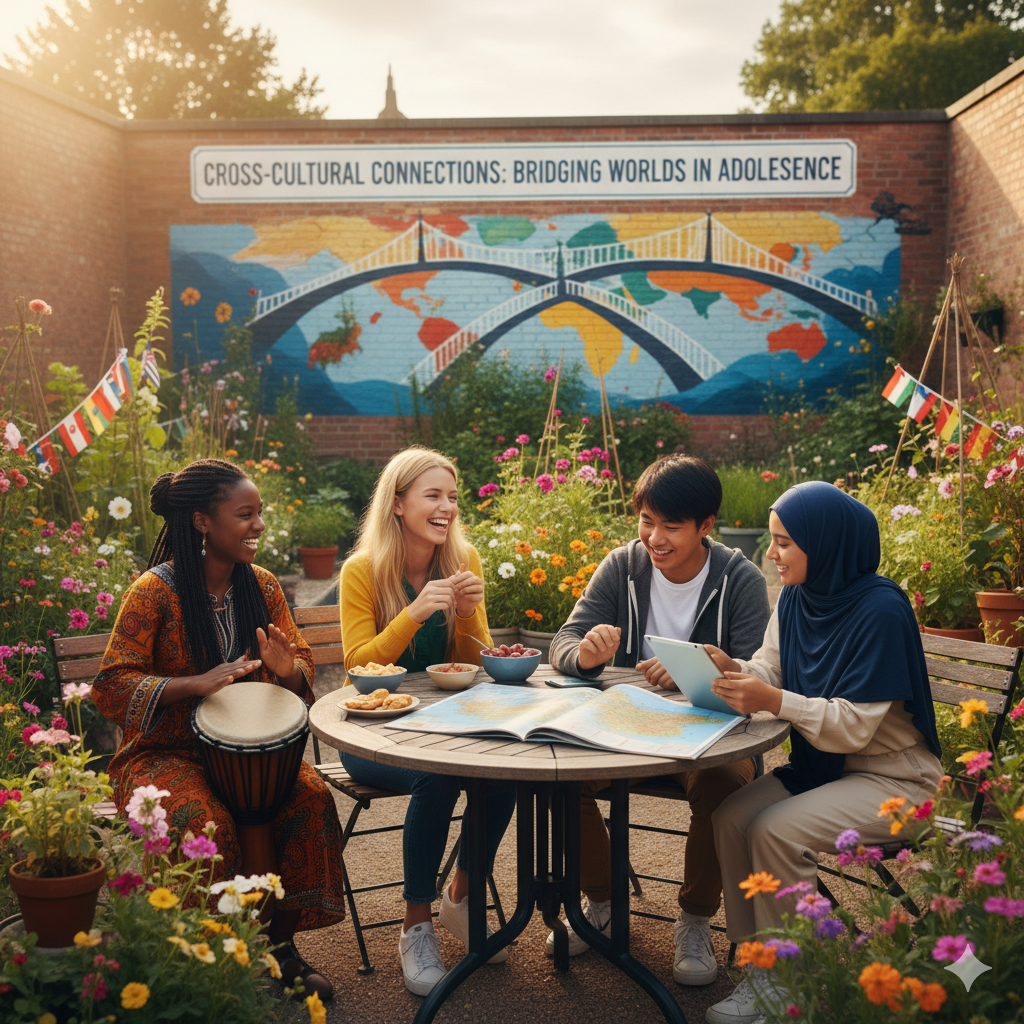
Adolescence is a time of identity exploration, and cross-cultural friendships offer teens a powerful lens to see the world beyond their own. Cross-Cultural Connections celebrates the stories of young people who, despite differences in language, ethnicity, or background, discover deep bonds through shared experiences, curiosity, and empathy. These friendships often begin with a simple act—helping with homework, sharing lunch, or joining the same team—but grow into bridges that span continents and cultures.
Teens who form cross-cultural connections learn to appreciate diversity not as a challenge, but as a gift. They exchange traditions, stories, and values, expanding their worldview and breaking stereotypes. These relationships foster emotional intelligence, compassion, and adaptability—skills that shape global citizens.
In a world often divided by misunderstanding, these friendships become quiet revolutions. They demonstrate that kindness and respect can transcend boundaries and that connections can be made even in the face of disparate backgrounds. Many teenagers find that these connections serve as enduring reminders that friendship is about our common humanity rather than our similarities.
Cross-cultural kinship in adolescence is more than a social experience—it’s a transformative journey that teaches teens to embrace difference, build bridges, and become ambassadors of unity. Here are some important points to know about the benefits of cross-communication.
Intercultural Friendships and Emotional Resilience
A common thread in society and the nation at large is that everyone wants to maintain a cross-cultural relationship, a belief held by everyone, from adolescents to parents. School is an environment where people of all faiths and religions are found, and they have the freedom to choose their friendships freely.
This is why every adolescent forms friendships across cultural boundaries, encountering misunderstandings, stereotypes, and emotional challenges. On the one hand, it fosters empathy, active listening, and conflict resolution skills. It also provides opportunities to learn about many cultures and participate in cultural events.
Identity Formation in Multicultural Contexts
This article focuses on how adolescents navigate their personal identities and cultural boundaries as they encounter diverse traditions, languages, and values. It’s ideal for sessions on how to foster self-awareness, belonging, and a growth mindset in teens.
Digital Bridges: Online Connections Between Cultures
When you enter the digital world, it’s much easier for teens to stay connected. This article shares insights into how social media and gaming platforms connect young people globally. Learning how to leverage social media online can help you learn about cybersecurity, digital etiquette, and the impact of virtual cross-cultural exchanges.
Creative Expression Between Cultures