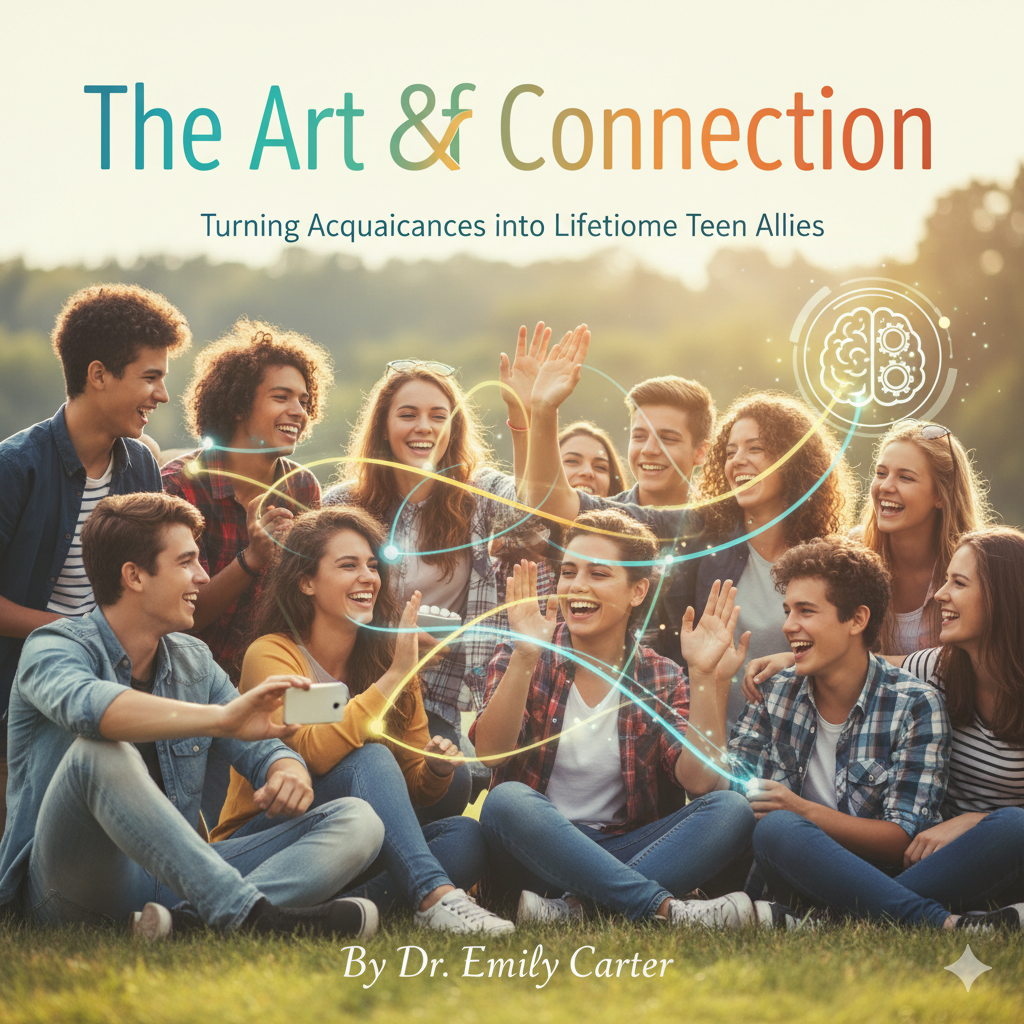
google.com, pub-9236582830978707, DIRECT, f08c47fec0942fa0 The Art of Connection: Turning Acquaintances into Lifelong Teen Allies

The Art of Connection: Turning Acquaintances into Lifelong Teen Allies

The Art of Connection: Turning Acquaintances into Lifelong Teen Allies, In a world where digital interactions often overshadow the true connections between families and friends, The Art of Connection: Turning Acquaintances into Lifelong Teen Allies invites us to rediscover the transformative power of intentional connections between ourselves. Mentors of teens, youth, teachers, local leaders, parents, counselors, and youth leaders can use The Art of Connection as a guide to build lasting relationships with teens based on trust, empathy, close connection, and mutual growth. The art of connection is a profession and a highly valuable skill. Even strangers who possess this skill can easily connect with others and build friendships.
Teenagers today are facing challenging times when it comes to identity, belonging, and emotional resilience. They are unable to find fulfilling and trusting connections. Even in well-intentioned environments, many teens and even young adults feel invisible or misunderstood. This article provides useful tips and spiritually and ethically grounded insights into the art of connection, bridging that gap, and transforming casual encounters into deep partnerships that enable teens to thrive. Whether you’re leading a youth group, teaching a class, or spending time with young people in your community, you can find resources here to foster genuine dialogue, mutual respect, and understanding to help build deeper relationships with teens and foster deeper bonds of friendship.
“The Art of Connection: Turning Acquaintances into Lifelong Teen Allies,” which relies on visual metaphors, real-life stories, and bilingual teaching frameworks, highlights the importance of speaking compassionately, listening purposefully, understanding, and being constantly present to live positive lives with one another. It addresses emotional instability by addressing cultural differences and also highlights how to handle electronic distractions gracefully and wisely. Being connected in the digital world is crucial for teens.
Finley sees “The Art of Connection” not just as a manual, but as a movement toward a powerful transformation of relationships. As responsible citizens, it challenges us to become bridge-builders in teens’ lives, transforming brief encounters into lasting impacts. One discussion, one connection, one recognition, one ally, one moment at a time. Let’s embark on this adventure together.

Digital-to-Real-Life Connection Strategy
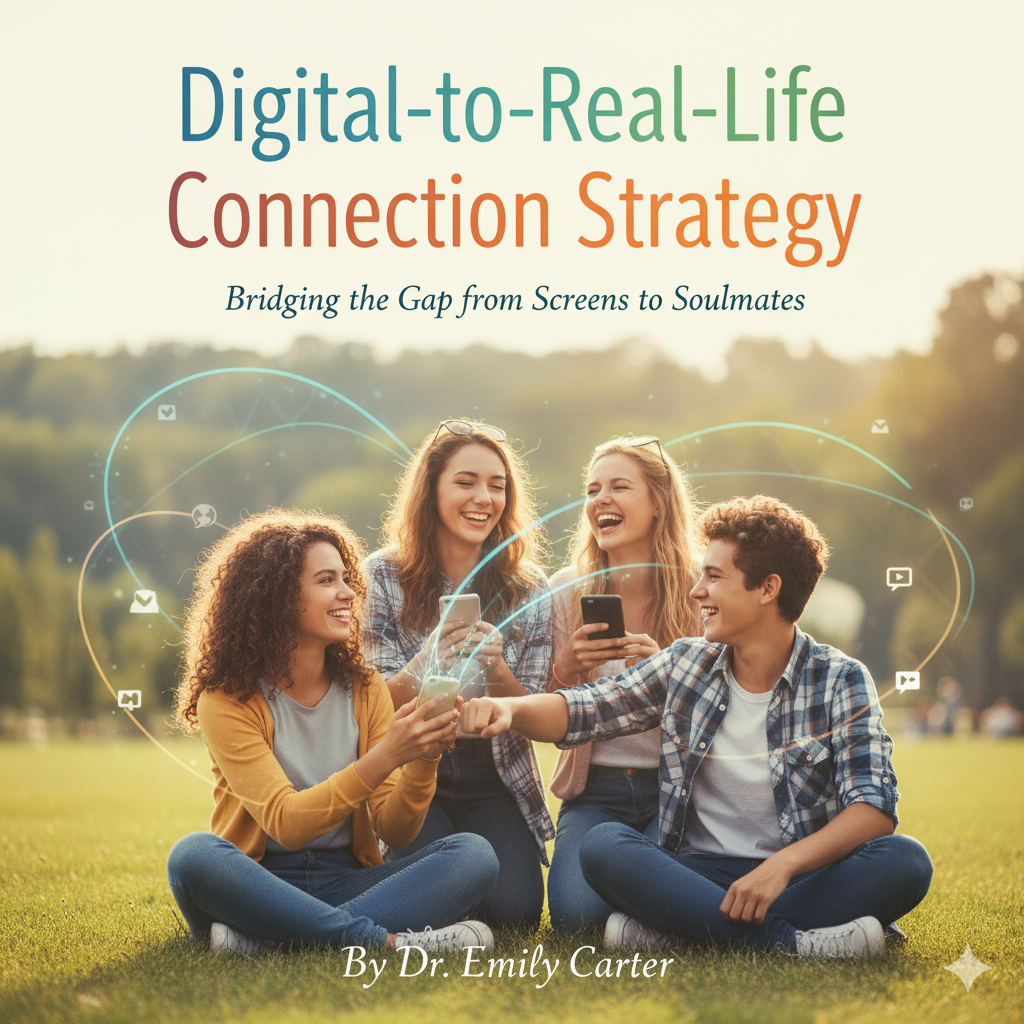
Even if you live far away, it’s very easy to connect with someone in the digital world. Through Facebook, Instagram, and WhatsApp Messenger, this article aims to bridge the gap between meaningful in-person connections and online interactions to assist parents and Generation Z teenagers in navigating the complexities of modern, digitally mediated relationships as we see how digital spreads its area all over the world. People are making online friends and connecting without any problems, asking for assistance, sharing their happiness and joy, discussing their everyday struggles, and even attempting to get each other motivated.
Teens are more than any other age group, so I especially want to talk to them. They have minimal time to have a mobile. But their emotional bonding is very strong and genuine, honest and pure. They have the real conviction to have true friendship in their time. They have very good skills to make connections; they feel real life and enjoy it. Teens are so accustomed to technology that occasionally their parents are unable to use a laptop or mobile device to communicate with one another. They have used emojis for some time; parents could not understand the meaning of this kind of emoji.
The greatest medium for establishing a connection is digital. Digital platforms provide teens with too many advantages, such as the ability to choose reliable friends, share study materials, and shred their private information. Additionally, getting married via digital ideology is becoming a tradition. Nowadays, social media presents unique challenges, such as “performance anxiety,” unsure online approval, and the transition from a text-based friend to an in-person ally.
The article is going to address these issues also. “Decoding the Digital Double-Tap: I would like to mention moving past likes to love” would be covered in the elaboration, along with specific strategies for proposing and managing in-person meetings, exchanging ideas, staying present during in-person interactions, and establishing appropriate digital boundaries. Its goal is to help teenagers make a select few trustworthy allies out of the numerous online connections they have made.
By offering doable strategies for deeper, more meaningful relationship engagement away from the screen, this strategy tackles the current loneliness epidemic among highly connected teenagers. Finally, the art of connection in the teenage years becomes a lifelong connection through the digital world.

Students Transitioning from Middle School to High School

The digital age has become a powerful game-changer in these times. After COVID-19, most educational institutions began offering online courses and tutoring. Digital platforms were the only way to connect with friends, family, and relatives. Nowadays, the education sector is known for providing high-quality education and regularly using digital methods.
This short excerpt focuses on the crucial time of transition for students who are often new to high school and new to their community. This book provides a “social survival guide” that specifically shares information to help readers navigate the often challenging transition to a more expansive and complex social environment.
It will address the fear of “new beginnings” in friendships, the challenge of letting go of old relationships, and the need to actively seek new connections in the high school ecosystem. Key strategies include “Mapping Your Social Landscape” to identify potential support groups, “Mastering the First 30 Days” to develop quick connection strategies, and “The Art of the Strategic Study Group” to transform academic collaboration into lasting friendships.
This area provides a highly practical, anxiety-relieving strategy that helps new students quickly establish a stable, supportive social base, crucial for academic and emotional success in a new environment. This is a new art of connecting easily with others, a sign of a deep friendship.

Teen Mental Health and Anxiety Prevention

Through the art of connection, teens can reduce their anxiety and improve their mental health while living life to the fullest. While the digital age is a powerful force that transforms lives, this passage also presents this book as a mental health tool for teens experiencing loneliness, social anxiety, or the early stages of depression, and their supportive parents or guardians.
Mental stress can be a stressor for the entire family, and emotional connection can be a healing factor. Social connection is especially crucial for young people today. Even if it is somewhat painful, it can ease a lot of difficulties and provide inner peace.
It will also provide cognitive-behavioral-informed strategies to challenge self-limiting beliefs about social worth and rejection. Chapters will focus on “Fear of Friendship Failure” and “Self-Sabotage Scripts,” providing exercises to develop vulnerability tolerance and active listening skills—the foundational pillars of trust. Teens grow stronger while building relationships as a counter to family isolation.

Leave a Reply

Your email address will not be published. Required fields are marked *