5 Stages of Exploring Friendship Journey Formation- Everyone needs and enjoys friendship. Everyone in this world has a special friend with whom they can easily share everything. No matter how a friendship begins, it means what they understand from their own perspective. My friendship started on the playground. We all, boys and girls, played together on the same field in the evenings. After the game was over, we would discuss our wins and losses. It was during these days that my friendship began.
Our friendship deepened in ways we never imagined: immense trust in each other, supporting each other through challenges, going out when needed, and helping each other with studies. Although we couldn’t become life partners because we were from the same neighborhood, we supported each other in finding a life partner.
Friendship is a deep and dynamic human relationship that goes through many stages throughout a person’s life, and each stage contributes to the depth, height, and strength of this bond. Understanding the journey of friendship not only strengthens our relationships but also helps us navigate conflicts, strengthen emotional intimacy, and foster meaningful connections.
This friendship journey typically progresses from initial encounters to deeper levels of trust, emotional resonance, and mutual growth. Each stage—whether it’s the spark of acquaintance or the unbreakable bond of lifelong friendship—plays a crucial role in shaping how people connect, share joys and sorrows, and support each other.
In today’s fast-paced digital world, where digital interactions often replace face-to-face interactions, understanding the stages of friendship is more relevant than ever. Because digital has reduced the distance of time, it enables us to be mindful of our relationships day-to-day and recognize signs of healthy progress or stagnation. From shared interests to easier resolution of misunderstandings, the journey of friendship requires empathy, communication, and time.
This exploration is not only beneficial for individuals but has also proven valuable for educators, counselors, social developers, and in-person counselors who aim to foster positive interpersonal relationships in a variety of settings.
1. Acquaintance and Curiosity
The friendship journey of any significant bond begins with acquaintance and curiosity. This initial stage is characterized by first impressions of each other, maybe it is observing nonverbal cues, and a light, often tentative, exchange of smiles and information. It is the phase of “meeting”—whether it’s a schoolmate, a new colleague, a potential friend, or a romantic interest. The primary driver here is curiosity: a natural human impulse to gather data about someone new to determine their potential place in one’s life.
Conversations are generally surface-level, focused on safe topics like work, hobbies, or general observations, and boundaries are strictly maintained. Success in this stage is simply generating enough mutual interest to warrant a second interaction. Most of the time, there is an unspoken evaluation happening, a gentle screening process where both friends assess comfort levels, basic compatibility, and whether the other person presents enough intrigue to justify further investment. Without this foundational spark of acquaintance and curiosity, the relationship typically stalls and fades before it can even begin to develop.
2. Exploration and Common Ground
When it comes to friendships, whether between strangers or longtime friends, their journey often begins with exploration—a mutual curiosity to understand each other’s world. To better understand the other, they ask questions, share stories, and gradually peel back layers of personality, interests, and values. It is during this phase of exploration that relationships based on openness, spontaneity, and a willingness to listen begin to form, everyday interactions become stronger, and the friendship deepens.
As they explore each other, they begin to find common ground—shared experiences, beliefs, faith, hobbies, and desires, and even a similar sense of humor. These connecting points create a bridge that transforms unfamiliarity into ease. Common ground fosters trust and familiarity, making both individuals feel cared for and deeply understood.
Interestingly, it’s not always similarities that strengthen the bonds of friendship; sometimes, it’s differences that spark a friendship, but also a journey of respecting differences and learning from each other. Exploration fosters affection and empathy, while common ground fosters companionship.
Over time, these once-strangers may find their initial curiosity blossoming into a true friendship based on mutual understanding. The journey from unfamiliarity to friendship is a meaningful one, reminding us that even amidst differences, there’s always something that connects us—if we’re open enough to exploring.
3. Deepening Between Friends
Deepening friendships is the initial process through which a bond grows stronger, more intimate, and emotionally rich. Only after the initial connection and shared experiences does a friendship progress to the next stage. Friends begin to trust each other more deeply and understand each other’s weaknesses and strengths. They begin to share not only their interests but also their fears, dreams, and insecurities.
This stage often involves meaningful and honest conversations, silent understanding, and mutual support through both happy and difficult times. Depth is characterized by consistency—always being there for each other, sharing in small joys, and remembering funny things. The friendship is like a deep ocean for them, and being emotionally present without judgment is commonplace. When conflicts arise within the friendship, they are handled with care and honesty, further strengthening the bond.
As a friendship deepens, the relationship becomes a safe place, a place of mutual acceptance, the development of feelings, and emotional grounding. It’s no longer just about having fun or spending time; it’s about truly knowing the other person and being openly known by them.
4. Commitment and Shared Experiences
The word “commitment” suggests dedication, responsibility, and connection, making it crucial in friendship. Commitment and shared experiences are essential elements that strengthen a deep and lasting friendship. But commitment in friendship doesn’t mean responsibility but rather intentional presence—standing with each other through life’s ups and downs. This means standing with each other not only in moments of joy and celebration, but also in times of challenges, life’s complexities, struggles, or silence.
Shared experiences in friendship, whether small everyday moments or significant life events, lay the foundation on which this commitment grows. These experiences—laughing together, overcoming obstacles, traveling, or spending quiet time in the evening—create memories that bind friends together. These experiences offer a sense of history, a story that binds both friends together, and shape a deeper understanding of each other that strengthens the friendship.
Friendships are not one-sided; commitment and shared experiences foster trust, loyalty, and emotional intimacy. They help elevate friendships from superficial connections to a more profound, lasting relationship. In a world where relationships can be fleeting, the commitment to maintaining and nurturing friendships becomes an act of mutual respect and care.
5. Lifelong Bonds and Growth
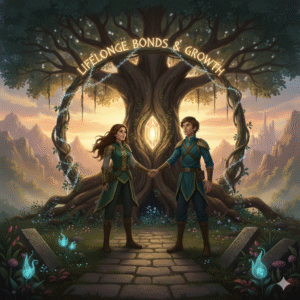
The lifelong bond of friendship is a rare and beautiful one that endures through life’s many twists and turns. It rests on a strong foundation of trust, confidence, shared experiences (both positive and negative), commitment, and emotional understanding. Over time, this bond becomes more than just companionship, a deep part of a person’s identity and support system.
As friends journey together through life, they witness each other’s growth: personal experiences and the emotional and spiritual connection between them remain intact. They adapt to life’s changes, overcome distances, and face life’s challenges side by side. They seek to remain bound by life’s bond, even in the face of challenges, and this is their identity.
Growth in friendship means allowing each other to grow each day while maintaining the original bond that brought them together. Their strengths include improved communication, easier forgiveness, and learning to acknowledge and appreciate each other’s advancements. This isn’t just about personal growth but also about the relationship.
Lifelong friendships are marked by resilience and mutual acceptance. Even after periods of silence or separation, true friends can reconnect effortlessly, as if no time has passed. The ease, familiarity, building history, and maintaining trust between them become the source of their enduring strength.
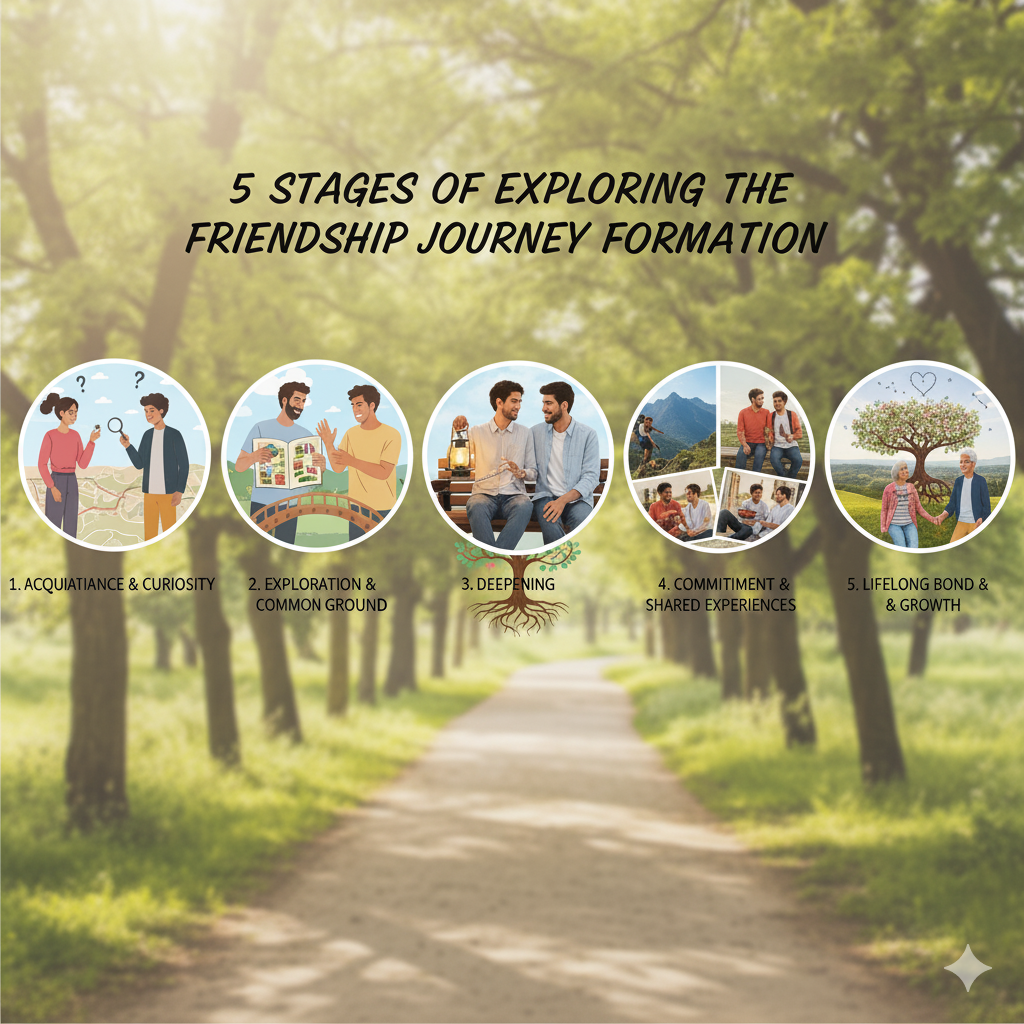
5 Stages of Exploring the Friendship Journey Formation
- 1. Acquaintance and Curiosity.
- 2. Exploration and Common Ground.
- 3. Deepening Between Friends.
- 4. Commitment and Shared Experiences.
- 5. Lifelong Bonds and Growth.